


OrderEase vs. Retail-first OMS
Supplier Order Operations Start Long Before Fulfillment.
Considering an OMS to support supplier order operations?
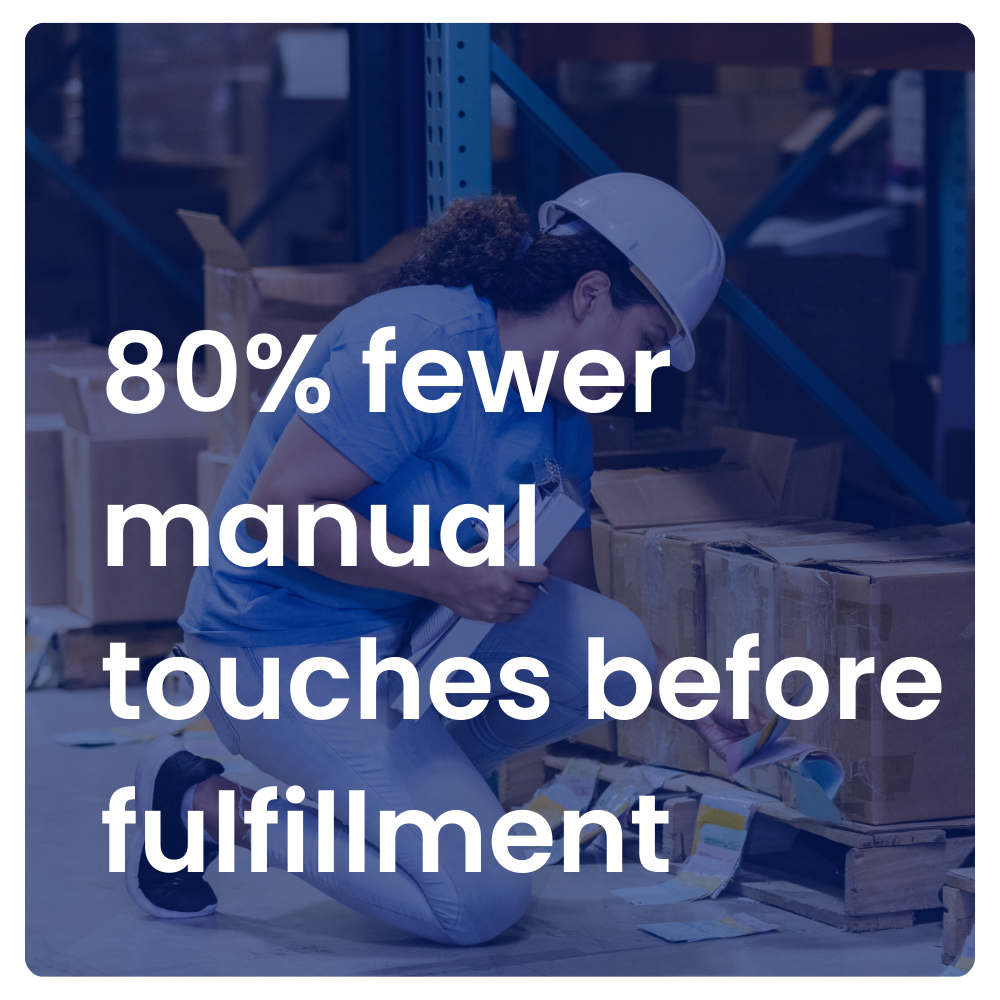
Retail OMS platforms are designed for routing and fulfillment, where orders originate from standardized checkouts. Supplier reality looks different. Orders arrive from multiple sources in different formats, requiring cleanup before posting to back-end systems. When an OMS assume orders are already clean, the rework falls on operations teams. OrderEase is built to run supplier order operations end to end with retail and marketplace channels are treated as inputs and orders standardized before ever reaching the ERP.


.png?width=300&name=Walmart%20Marketplace%20(1).png)



.png?width=300&name=Walmart%20Marketplace%20(1).png)



.png?width=300&name=Walmart%20Marketplace%20(1).png)



.png?width=300&name=Walmart%20Marketplace%20(1).png)



.png?width=300&name=Walmart%20Marketplace%20(1).png)



How OrderEase Compares to Manual Order Processing
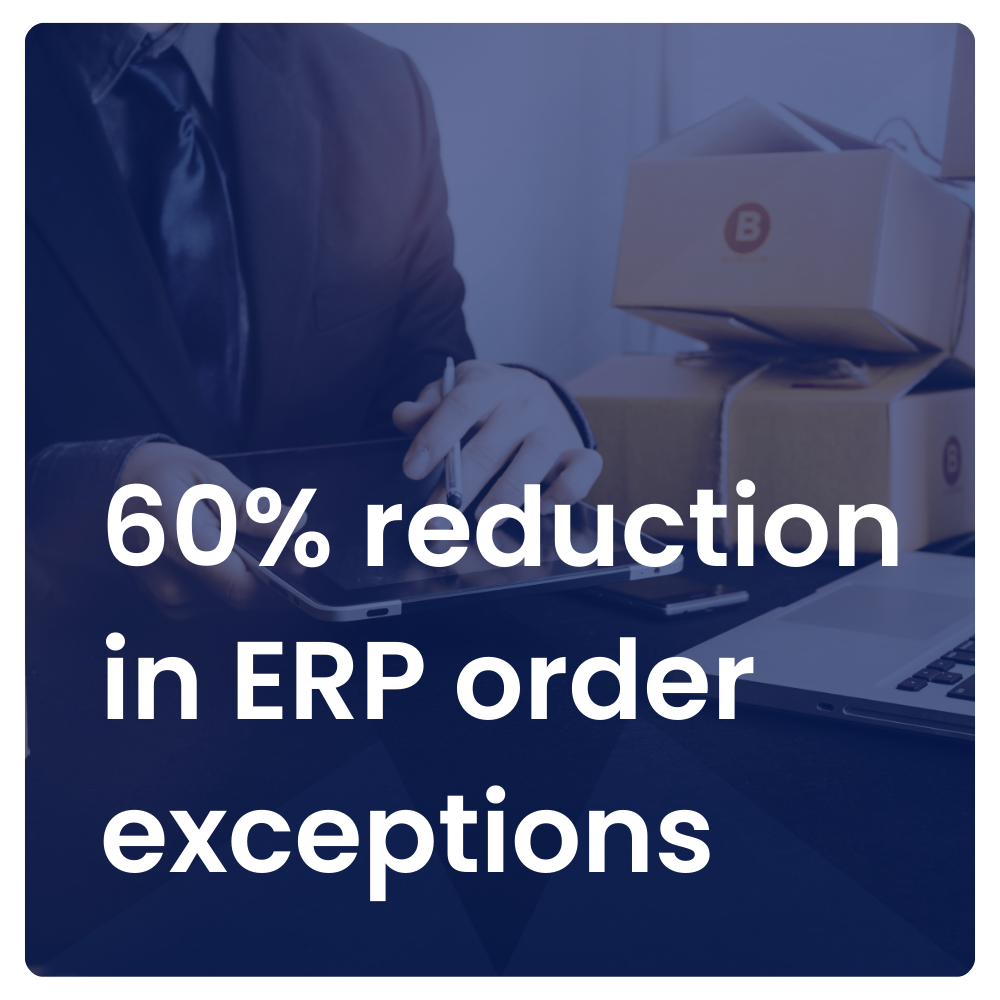
Instead of relying on people to interpret emails, rekey PDFs, validate spreadsheets, and fix errors after entry, OrderEase standardizes orders upstream, applies rules and validation automatically, and only commits clean, structured data to your accounting system or ERP. Operations move faster, errors drop, and scaling no longer requires more headcount.
How OrderEase Compares to Retail-First OMS
Retail-first OMS platforms are built to route and coordinate delivery across stores and distribution centers. That works well when orders are already clean and the primary challenge is how to fulfill them. For suppliers, OrderEase standardizes orders before they reach the ERP, enforcing customer-specific rules while fulfillment runs on clean, reliable data.


Why Teams Choose OrderEase
OrderEase is designed around how suppliers actually sell: through EDI, customer portals, email POs, spreadsheets, sales reps, and eCommerce. Instead of forcing suppliers to patch systems together, OrderEase adapts to their reality. It understands B2B pricing, terms, customer requirements, and document-driven workflows, giving teams one system that reflects how their business really runs.
Built for How Suppliers Sell
Supports every way customers place orders: EDI, email, portals, reps, and more
Handles customer-specific pricing, terms, and requirements natively
Adapts to supplier workflows instead of forcing retail-style processes

Designed for B2B Nuance
Built to handle negotiated pricing, exceptions, and variability
Treats order differences as expected—not errors
Works across customers with different rules, formats, and expectations

Enhance the ERP You Rely On
Standardizes and validates orders before they ever touch the ERP
Prevents retail-style assumptions from corrupting ERP data
Acts as a control layer as order volume and variation grow
One System for Operations
Resolve exceptions at the order level, where context still exists
Adjust rules and workflows without developer help
Move faster without relying on fragile workarounds or manual processes

See the ROI of Automating Orders with OrderEase
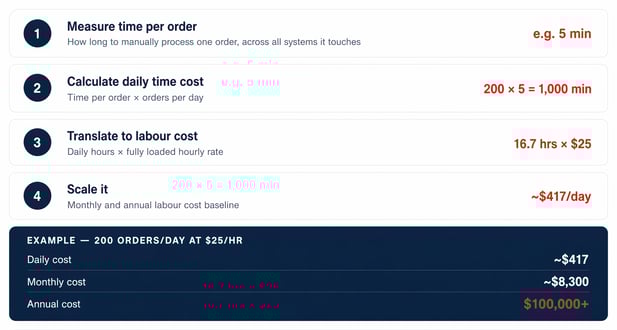
Manual order entry, disconnected systems, and error-prone workflows quietly drain time and margin. The OrderEase Automation ROI Calculator helps you quantify what you could save by standardizing and automating B2B orders across every channel.

Customer Stories
See How OrderEase Fits Into Your Tech Stack
OrderEase is designed to integrate cleanly with your ERP and order channels without the custom builds or long-term maintenance overhead. Explore how OrderEase simplifies B2B order operations.
.png?width=800&height=400&name=Copy%20of%20A%20person%20here%20makes%20it%20look%20like%20we%E2%80%99re%20delivery%20orders%20doing%20DTC%20workflow%20(3).png)