


.png?width=250&name=OrderEase%20logo%2c%20Square%20(2).png)
ecommerce integrations
Sage 50 Ecommerce Integration

+

Connect ecommerce channels to Sage 50 without turning order entry into a manual cleanup process. OrderEase helps businesses move online orders into Sage 50 with better control over product mapping, pricing logic, customer data, and order readiness before records are created downstream. If your team uses Sage 50 as the accounting system of record, OrderEase helps make ecommerce order flow more usable, more accurate, and easier to manage as channels grow.
Preconfigured connector · Established integration approach · Hands on support




.png?width=300&name=Amazon%20logo%2c%20OrderEase%20Order%20Automation%20(1).png)
Preconfigured Connector
Why Sage 50 ecommerce order flow gets harder as channels grow
Sage 50 can manage the accounting side of the business well, but ecommerce adds order-entry pressure that accounting systems are not built to govern on their own. As businesses add online stores, marketplaces, wholesale portals, or retailer-driven order channels, incoming order data becomes harder to standardize.
What starts as a workable process often turns into daily correction work. The real challenge is making sure ecommerce orders are structured properly before they become accounting records.
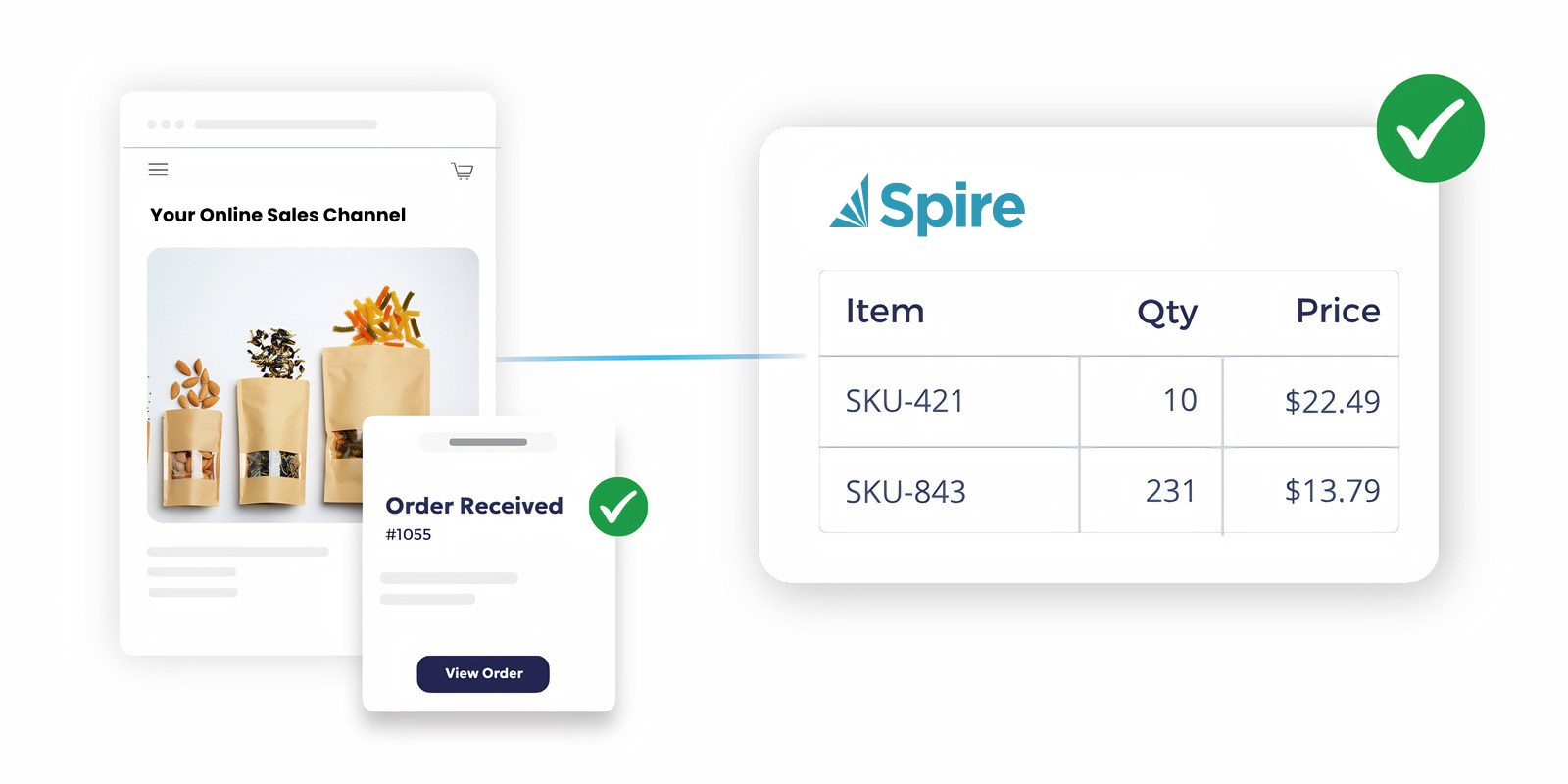
How OrderEase Connects Ecommerce Orders to Sage 50


OrderEase connects the storefronts and order sources feeding your business.
Connect ecommerce channels
Orders are pulled into one controlled workflow instead of being re-entered by hand.
Capture incoming order data
Customer logic, product mappings, pricing rules, and required field checks are handled before handoff.
Apply mappings and business rules
Orders are reviewed against the structure your Sage 50 workflow requires.
Validate order readiness
Structured order data moves into Sage 50 with less downstream correction work.
Pass clean data into Sage 50
Operations, fulfillment, and finance teams work from cleaner order records after entry.
Support the rest of the workflow
More ecommerce and channel
integrations you may be
interested in
Explore the integrations beyond ecommerce and see how OrderEase connects your channels and systems.




.svg.png?width=960&height=574&name=WooCommerce_logo_(2015).svg.png)






-1.png?width=127&height=114&name=Canadian%20Tire%20EDI%20logo%20(1)-1.png)
.png?width=200&height=200&name=Chewy%20EDI%20logo%20(1).png)

.png?width=200&height=200&name=Home%20Depot%20Logo%20(1).png)

.png?width=200&height=200&name=Sage%20logo%20(2).png)